

Discover engaging family day entertainment ideas that balance fun activities for all ages, ensuring a memorable experience for everyone.
Family day entertainment ideas: quick planner checklist
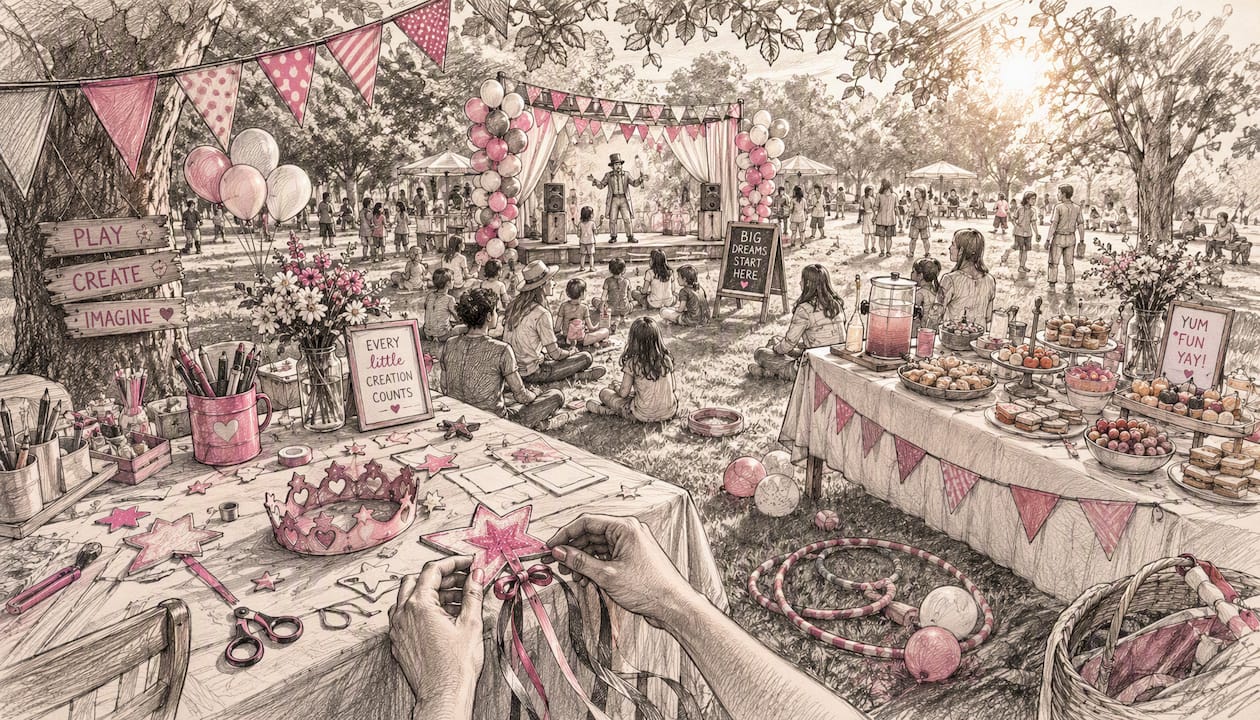
The quickest route to a successful family day is a balanced menu of active, creative, passive, and social zones. Build your programme around three or four anchor activities, then fill the gaps with roving acts and choice blocks. That structure alone handles crowd flow, keeps every age group engaged, and gives you a clear run-sheet to work from.
Here is a shortlist to anchor your planning:
- Face painting or balloon twisting (toddlers to primary school kids; works indoors or out)
- Magician or puppet show (all ages; passive, seated; great for post-lunch energy dips)
- Obstacle course or scavenger hunt (school-age kids and teens; needs open outdoor space)
- Cupcake or cooking workshop (primary school kids, teens, and adults; indoor; high engagement)
- Family relay or group game (all ages together; creates the day’s shared highlight)
- Photo booth with props (teens, adults, and seniors; low supervision; fills gaps between sessions)
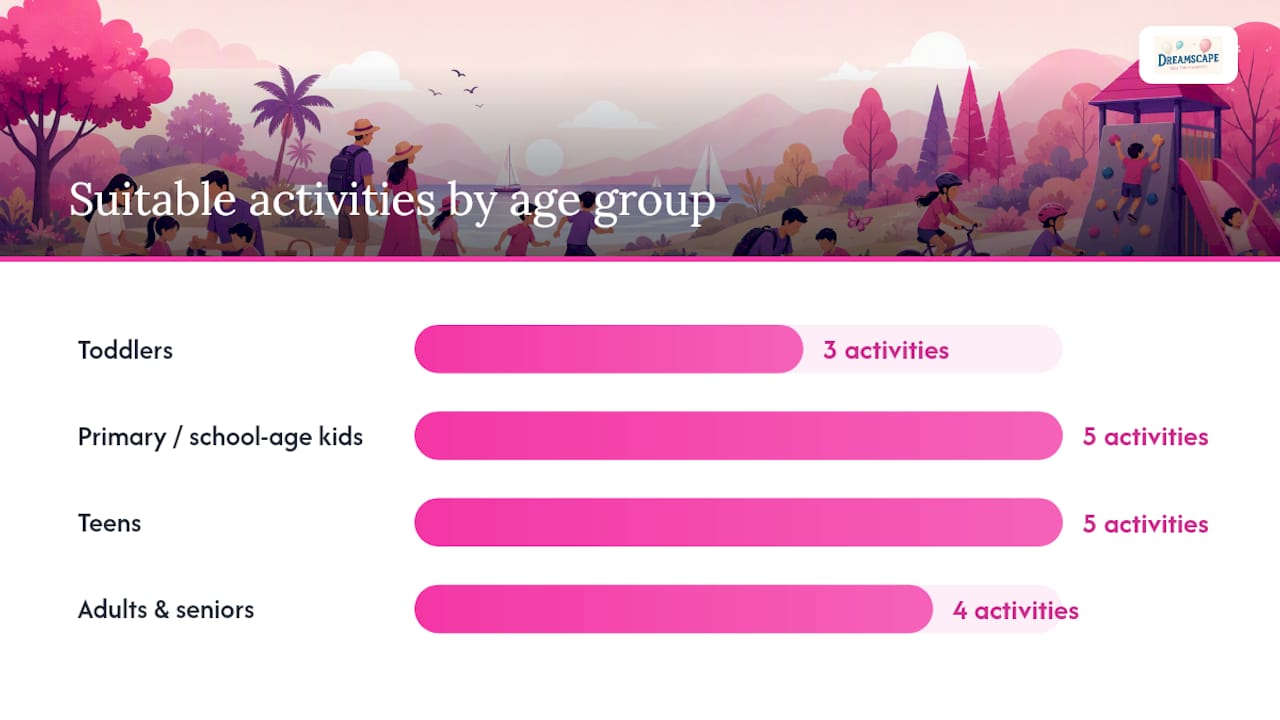
A well-designed family day typically incorporates 3-4 distinct activity zones to manage crowd flow and cater to varying energy levels. Toddlers need sensory-safe, low-noise options close to a rest area. School-age kids thrive in active and creative zones. Teens respond best to choice and mild competition. Adults and seniors want social, seated, or spectator options nearby.
Key takeaways
A successful family day comes down to three things: a balanced activity menu across active, creative, passive, and social zones; a rhythm-based programme with built-in buffer time; and WWCC-verified entertainers who own their run-sheet.
| Point | Details |
|---|---|
| Build around 3-4 zones | Active, creative, passive, and social zones manage crowd flow and suit every age group. |
| Use a rhythm, not a script | Structure the day as anchor, choice blocks, shared meal, and wind-down for better guest satisfaction. |
| Confirm WWCC before booking | Every entertainer working with children must hold a current Working With Children Check. |
| Book anchor acts 12+ weeks out | Popular entertainers and emcees fill quickly; early booking secures your preferred acts. |
| Dreamscape for managed events | Dreamscape brings 25+ years of experience, 1,900+ five-star reviews, and full run-sheet ownership to Melbourne family days. |
Table of Contents
- What are the best family day entertainment ideas by activity type?
- How do you plan a programme for a 3-6 hour family day?
- Safety, inclusion, and logistics checklist
- Budget tiers and what to expect at each spend level
- How do you choose and brief performers for a mixed-age crowd?
- When does hiring professional entertainers actually pay off?
- What the best family days actually have in common
- Dreamscape’s managed entertainment packages for family days
- Sources
- FAQ
What are the best family day entertainment ideas by activity type?
Organising your activity menu by category makes it far easier to spot gaps, balance energy, and assign space. Below is a ready-to-use menu you can copy straight into a planning document.
Active and physical
- Obstacle course (5-12, teens; outdoor; requires supervision and clear boundaries)
- Scavenger hunt (5-12, teens, adults; indoor or outdoor; self-paced)
- Sack races, egg-and-spoon, tug-of-war (all ages; outdoor; classic crowd-pleasers)
- Giant lawn games: Jenga, Connect Four, bocce (all ages; outdoor; low-intensity option for adults and seniors)
- Dance-off or freeze dance (toddlers to primary; indoor or outdoor; high energy, short burst)
Creative and craft
- Face painting (toddlers to primary; indoor; one-on-one, queue management needed)
- Balloon twisting (toddlers to primary; indoor or outdoor; roving works well)
- Tie-dye or canvas painting station (primary to teens; outdoor preferred; messy but memorable)
- Build-your-own crown or superhero mask craft (toddlers to primary; indoor; seated, low-noise)
- Collaborative mural (all ages; outdoor wall or large paper roll; no queue, drop-in format)
Pro Tip: Run face painting and balloon twisting simultaneously at adjacent stations. This halves queue time and keeps the creative zone humming without a bottleneck.
Passive shows and roving acts
- Magician (all ages; stage or roving; 20-30 minute set works best)
- Puppet show (toddlers to primary; seated; low-noise, sensory-friendly)
- Roving character performers: princesses, superheroes, pirates (toddlers to primary; high engagement; no fixed stage needed)
- Stilt walker or juggler (all ages; outdoor; visual spectacle, no participation required)
- Caricature artist (teens, adults, seniors; seated; slow-burn engagement)
These acts slot naturally into transition windows and post-meal lulls. A roving character can cover the whole venue while a stage show anchors one zone, so you never have a dead patch in the programme.
Workshops and food activities
- Cupcake decorating workshop (primary to adults; indoor; 30-45 minutes; high satisfaction)
- Pizza or taco bar (all ages; flexible dietary options; interactive and social)
- Smoothie-making station (all ages; outdoor or indoor; healthy, low-allergen option)
- Cooking demo with a chef (teens, adults; stage format; works as a passive anchor)
Buffet-style or flexible food layouts suit family events because they accommodate different dietary needs and eating paces across age groups. Interactive food stations double as entertainment.
Big rentals and tech-lite options
- Inflatable obstacle course or bouncy castle (toddlers to primary; outdoor; requires supervision)
- Photo booth with themed props (teens, adults, seniors; indoor; self-managed)
- Giant screen outdoor movie (all ages; evening events; low-supervision wind-down)
- Carnival-style game stalls: ring toss, duck pond, bean bag throw (all ages; outdoor; easy to staff with volunteers)
Pro Tip: Place high-energy rentals like inflatables at the far end of the venue. This draws foot traffic away from food and seated zones, naturally distributing the crowd.
For age-specific activity matching, Dreamscape’s party game and activity finder lets you filter by age group and venue type.
How do you plan a programme for a 3-6 hour family day?
Family days typically run 4-6 hours and combine food, games, entertainment, and a short anchored programme led by an experienced emcee. The key is rhythm, not a minute-by-minute script. A schedule that flows as anchor, choice blocks, shared meal, wind-down produces better guest satisfaction than an over-engineered timetable.
Sample 3-4 hour programme
| Time | Activity | Notes |
|---|---|---|
| - | Arrival and free roving acts | Balloon twisting, face painting; guests settle in |
| - | Anchor activity (stage show or group game) | All ages together; emcee leads |
| 1:15-1:45 | Snack break and choice block | Craft stations, photo booth open |
| 1:45-2:30 | Second activity zone (active or workshop) | Split groups by age preference |
| 2:30-3:00 | Closing moment and prize giving | Short, high-energy finish; emcee wraps up |
Sample 5-6 hour programme
| Time | Activity | Notes |
|---|---|---|
| - | Arrival and roving acts | Characters, balloon artists circulate |
| - | Anchor activity (stage show or relay) | All-ages; emcee leads |
| 1:15-2:00 | Choice block 1 (active zone) | Obstacle course, lawn games |
| 2:00-2:45 | Lunch and social time | Flexible buffet; quiet zone open |
| 2:45-3:30 | Choice block 2 (creative or workshop) | Craft, cupcake decorating, cooking demo |
| 3:30-4:15 | Second stage show or group competition | Teens and adults re-engaged |
| 4:15-5:00 | Wind-down and farewell | Photo booth, casual games, pack-down begins |
A screen-free activity day works best when you plan a clear goal and a balanced menu of movement, creativity, friendly competition, and quiet time, with flexible transitions between each.
Timing notes by age group:
- Toddlers (under 5): schedule their anchor activity in the first 45 minutes before fatigue sets in; keep sessions to 15-20 minutes maximum.
- Primary school kids (5-12): peak engagement mid-morning and again after lunch; 30-45 minute activity blocks suit them well.
- Teens: avoid passive activities before 11:00 AM; they engage best in choice-based or competitive formats.
- Adults and seniors: place seated or social options near food and shade; they appreciate spectator-friendly positions near the stage.
Build in 10-minute buffer gaps between every major transition. These absorb overruns, allow bathroom breaks, and prevent the programme from feeling rushed.
Safety, inclusion, and logistics checklist
Running a safe, inclusive family day requires planning these elements before the event, not on the morning of.
Safety essentials
- Designate a first-aid station with a trained first-aider on site for the full duration.
- Post visible emergency contact numbers at the entrance, first-aid station, and near food areas.
- Assign clear staff and volunteer roles with lanyards or shirts so guests can identify help quickly.
- Set a single, clearly signed meeting point for lost children.
- Confirm all entertainers hold a current Working With Children Check before they arrive on site.
Child safety and supervision
- Verify WWCC credentials for every entertainer and volunteer who works directly with children.
- Set supervision ratios: one adult per four toddlers, one per eight school-age children as a working guide.
- Fence or clearly mark inflatable and active zones with a single entry and exit point.
Accessibility checklist
Accessibility and inclusion require planning from the start: clear paths, seated alternatives, sensory-friendly spaces, and simple visual instructions make events more welcoming for guests with mobility or sensory needs.
- Wide, firm pathways between all zones (minimum 1.2 metres clear).
- Seated alternatives at every active station (e.g. a seated version of the craft activity).
- A designated quiet room or low-stimulation zone away from speakers and crowds.
- Pictorial schedules posted at the entrance and near the emcee stage.
- Adjustable activity formats: face painting can be done on the hand rather than the face for sensory-sensitive children.
On-the-day logistics
- Confirm toilet locations and accessible facilities with the venue in advance.
- Place water stations at every zone, not just near food.
- Arrange shade structures or a backup indoor space for hot or wet weather.
- Equip key staff with two-way radios or a shared group chat for real-time coordination.
- Use clear, large-print signage at every zone entrance.
Pro Tip: Include a one-paragraph accessibility note in your event invitation. State the quiet room location, the path surface type, and who to contact for dietary or sensory accommodations. Guests who need it will plan ahead; guests who don’t will appreciate the thoughtfulness.
Budget tiers and what to expect at each spend level
Experienced event agencies recommend booking entertainment early and offering tiered packages; low, mid, and premium budgets deliver increasingly immersive options. Here is what each tier typically looks like in practice.
Budget tier: essentials
- One or two roving entertainers (face painter, balloon artist)
- Volunteer-staffed craft stations with purchased supplies
- DIY carnival games (ring toss, bean bag throw)
- Basic catering: sausage sizzle or BYO picnic
- No emcee; a volunteer MC handles announcements
Expect to budget for entertainer fees, craft supplies, and any hire equipment. Cost-saving moves: book entertainers who offer a combined face painting and balloon twisting package, run craft stations with parent volunteers, and use free outdoor space rather than a hired venue.
Mid-range tier: structured programme
- Emcee plus two roving acts plus one stage show (the bundle that offers best value for mid-range budgets)
- One inflatable or large game rental
- Catered lunch with dietary options
- Photo booth with printed props
- Basic theming: banners, tablecloths, signage
This tier suits most corporate family days and school events with 50-150 guests. The emcee carries the programme, which frees organisers to manage logistics rather than entertain.
Premium tier: immersive experience
- Full themed entertainment package: characters, stage show, roving acts, emcee
- Multiple inflatables or a marquee with activity zones
- Professional catering with dietary management
- Branded or themed décor throughout
- Dedicated event coordinator on the day
Vendor expectation checklist (applies at every tier):
- Confirm set-up and pack-down times are included in the quote.
- Request proof of public liability insurance before signing.
- Verify all entertainers hold current WWCC credentials.
- Get a written performance schedule with exact slot times.
- Clarify what happens if a performer cancels (replacement policy).
How do you choose and brief performers for a mixed-age crowd?
The emcee is the single most important hire on your list. A corporate-only host rarely translates to a family event because the skill set is different: they need to hold a toddler’s attention one minute and get a reluctant dad off his chair the next.
Emcee selection criteria
- Demonstrated experience at family-format events, not just corporate conferences.
- Warm, adaptable tone that shifts between age groups without condescension.
- Improvisation ability for when a segment runs long or a child steals the microphone.
- Bilingual capacity if your guest mix includes non-English-speaking families.
- Timing awareness: they should know when to cut a segment short and when to milk a moment.
An emcee experienced in family-format events must work across toddlers to seniors and often needs simple bilingual skills in multicultural contexts.
Performer briefing checklist
- Share the full guest age mix and approximate numbers at least two weeks out.
- Confirm exact performance slot times and a 15-minute buffer before each.
- Communicate any device-free windows or photography restrictions.
- Brief performers on behaviour management expectations (what to do if a child becomes distressed).
- Confirm accessible alternatives for each act (e.g. a seated magic show for wheelchair users).
Pro Tip: Design one anchor activity that genuinely includes every age group. A family relay race, a mass craft project, or a live cooking demo where kids and grandparents work side by side creates the day’s most photographed moment and the memory guests talk about afterwards.
For themed acts that adapt across age groups, Dreamscape’s guide on how entertainers incorporate party themes explains how professionals adjust content for mixed audiences.
When does hiring professional entertainers actually pay off?
DIY works for small, simple gatherings. Once your guest list passes 50 people, the age mix spans three generations, or the event carries a corporate or school brand, the coordination load grows faster than most organisers expect.
Situations where professionals are worth it
- Guest lists above 50, where volunteer-run stations become unreliable.
- Corporate family days where the event reflects on the organisation’s culture.
- Mixed-age events where toddlers and teenagers need to coexist without either group being bored.
- Themed or immersive experiences that require costume, character knowledge, and performance skill.
- Events where the organiser needs to be a host, not a stage manager.
The benefits of professional entertainment go beyond convenience: trained performers manage crowd dynamics, handle unexpected behaviour, and keep the programme on time without the organiser having to intervene.
What to look for in a vendor
- WWCC-checked entertainers as a non-negotiable baseline.
- Public liability insurance with a current certificate.
- Clear run-sheet ownership: the vendor manages their own schedule, not you.
- Emcee capability bundled with entertainment packages.
- Documented experience with corporate family days or school events.
Dreamscape Kids Entertainment has delivered tailored family entertainment in Melbourne for over 25 years, with all entertainers holding current Working With Children Checks and more than 1,900 five-star reviews from parents, schools, and corporate event planners.
Dreamscape’s entertainers are WWCC-checked, experienced across themed characters and roving acts, and have handled corporate family days and school events for over 25 years. With more than 1,900 five-star reviews, they bring a run-sheet, a performance schedule, and the experience to adapt on the day - so the organiser can actually enjoy the event.
Booking timeline
- 12+ weeks out: lock in your emcee and anchor entertainers; popular acts book out fast for peak seasons.
- 8 weeks out: confirm catering, venue layout, and any large equipment hire.
- 4 weeks out: send performer briefing documents and confirm WWCC and insurance.
- 1 week out: run a final check-in with all vendors; confirm arrival times and set-up access.
Before you sign any contract, Dreamscape’s questions to ask before booking a party entertainer covers the vetting essentials.
What the best family days actually have in common
Most family day advice focuses on the activity list. The planners who run genuinely smooth events focus on something different: the rhythm between activities, not the activities themselves.
The single habit that saves the most stress is building a home base. Pick one central zone, usually near food and shade, and treat it as the default gathering point between sessions. Roving acts pass through it. The emcee anchors from it. Lost children get brought to it. Everything else radiates outward.
Three things you can do right now, before you book anything:
- Write down your three anchor activities and assign each one a zone on a rough venue sketch.
- Block out two 10-minute buffer gaps in your programme, one after the first anchor and one before lunch.
- Add a single accessibility note to your invitation draft: quiet room location, path surface, and a contact name for special requirements.
That is the whole foundation. Dreamscape’s 25-plus years of running managed family entertainment in Melbourne backs exactly this approach: a clear structure, reliable acts, and someone who owns the run-sheet so the organiser doesn’t have to.
Dreamscape’s managed entertainment packages for family days
Planning a family day from scratch takes time most organisers don’t have. Dreamscape offers managed entertainment packages for corporate family days, school events, and large celebrations in Melbourne, with WWCC-checked performers, themed character acts, roving entertainers, and full run-sheet management included.
When you get in touch, have these details ready: approximate guest numbers, age mix (toddlers, primary, teens, adults), venue type (indoor, outdoor, or both), any accessibility requirements, and two or three activity preferences from the menu above. That information lets Dreamscape match the right package to your event without back-and-forth.
For corporate events, the corporate entertainment packages page covers formats and inclusions. For family and school celebrations, browse packages and pricing to compare options by group size. Ready to book? Contact Dreamscape to check availability for your date.
Sources
The planning recommendations in this article draw on the following resources:
- Family day planning checklist - getout
- How to plan a screen-free family activity day in 2026 - My Difference Between
- Corporate family day checklist - Spread Like Wildfire
- How to create inclusive family activities - H2HHC
FAQ
How do you make a family day fun for all ages?
Build the programme around one all-ages anchor activity (a relay, group game, or live demo), then offer age-specific choice blocks on either side. Roving acts like balloon artists and character performers fill transitions and reach every age group without requiring everyone to stop at once.
What are the best games for a family fun day?
Scavenger hunts, giant lawn games, and family relay races work across the widest age range. For younger children, sack races and duck-pond carnival stalls are reliable; for teens and adults, trivia rounds and team competitions with mild stakes tend to land well.
How long should a family fun day run?
Most family days run 4-6 hours, which is enough time for an anchor activity, a shared meal, two choice blocks, and a closing moment without guests or volunteers hitting fatigue. Shorter events (3-4 hours) suit toddler-heavy guest lists; longer formats work when teens and adults make up a significant share of attendees.
Does Dreamscape cater for corporate family days?
Yes. Dreamscape provides managed entertainment packages for corporate family days in Melbourne, including WWCC-checked performers, themed character acts, roving entertainers, and run-sheet management. Their corporate entertainment page covers formats and inclusions for mixed-age workplace events.
What should I check before booking a family day entertainer?
Confirm a current Working With Children Check, public liability insurance, and a written performance schedule before signing anything. Also clarify set-up and pack-down times, the replacement policy if a performer cancels, and whether the act has experience with mixed-age family audiences specifically.
Recommended
Planning a Melbourne party?
We will get right back to you.