

Discover why party themes excite kids and create unforgettable experiences. Unlock the science behind their joy and make every celebration special!
Why party themes excite kids: the science behind the fun
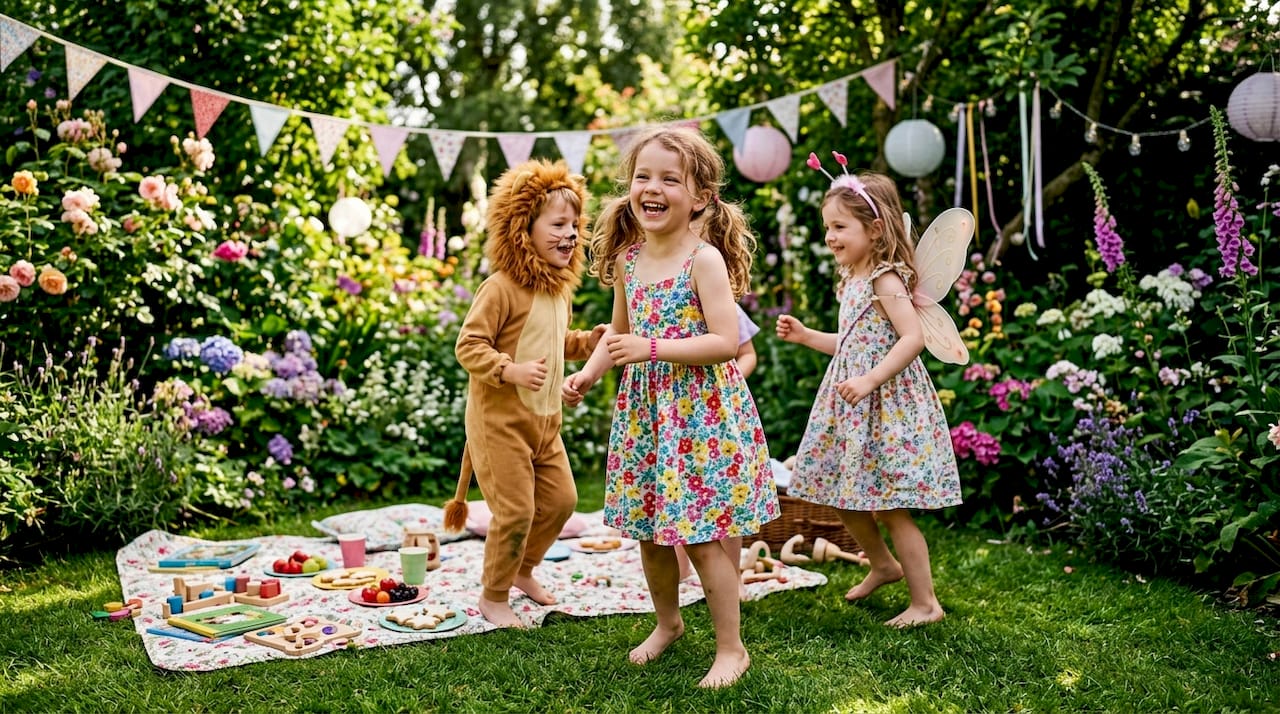
Themed children’s parties are defined by their ability to transform an ordinary gathering into an immersive world that a child genuinely inhabits for a few hours. That transformation is why party themes excite kids far beyond what balloons and a cake ever could. The excitement is not accidental. It is rooted in how children’s brains process novelty, emotion, and physical experience. When a party matches a child’s current obsession, whether that is superheroes, dinosaurs, or K-Pop demon hunters, the result is a celebration that feels personal, safe, and thrilling all at once.
Why party themes excite kids: what the research actually shows
Children under 10 recall emotional and physical experiences more vividly than visual details. That single finding rewrites how parents should think about party planning.
Most parents spend hours choosing colour schemes, matching tableware, and arranging centrepieces. Yet the research points clearly in another direction. What children carry with them long after the party ends is how they felt, what they did, and whether something genuinely surprised them. A child who dug for dinosaur fossils in a sandpit will remember that party at age fifteen. A child who sat in a beautifully decorated room probably will not.
Novelty is the key driver. When children encounter something unexpected, the brain encodes that experience with stronger emotional intensity. That intensity is what creates lasting memory. A themed party delivers novelty by design. Every element, from the invitation to the final game, signals to the child that this event is different from everyday life. That signal alone raises excitement before the party even begins.
“Children don’t remember the decorations. They remember the moment they got to be the hero of the story.”
Pro Tip: Send a themed invitation that gives the child a role, not just a date. “You are invited to join the superhero training academy” lands very differently than “Come to Jake’s birthday.”
Do kids care more about activities than decorations?
The short answer is yes, and the data backs it up. 34% of parents say more activities improve parties, while only 23% prioritise themes or decorations. That gap is significant. It tells us that even parents, who are often the ones focused on aesthetics, recognise that active participation matters more.
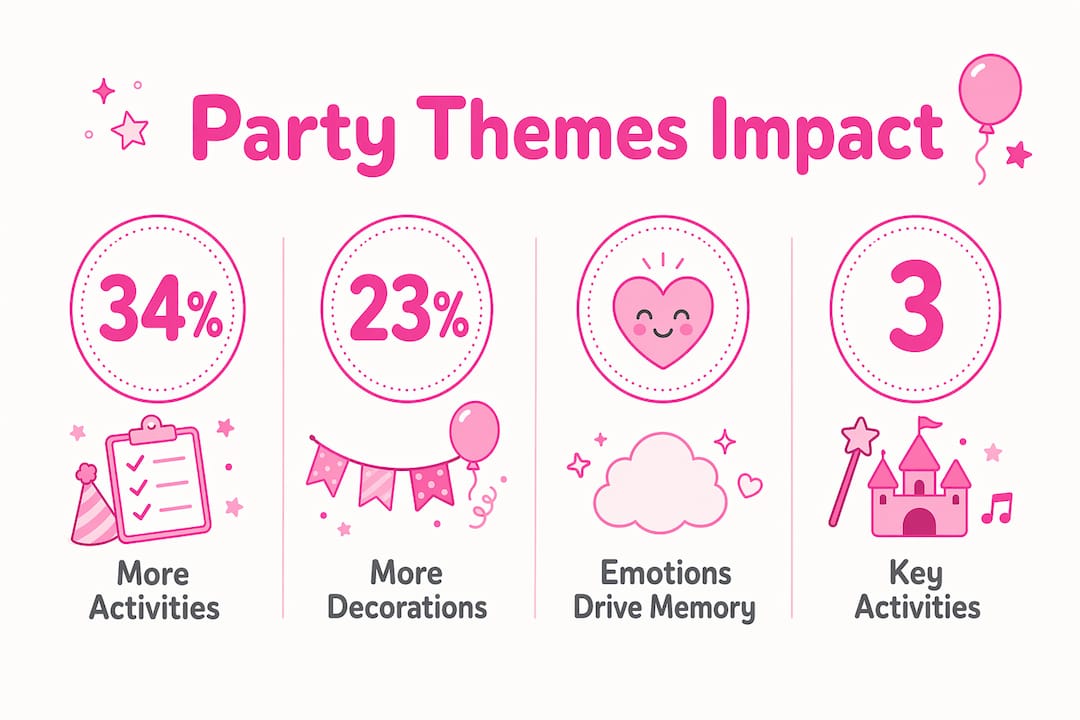
Children prioritise agency and active participation over passive observation. When a child can build, operate, or manipulate their environment, they become intrinsically motivated. That motivation is what produces genuine excitement, not the colour of the tablecloth.
This is where themed parties earn their real value. A well-chosen theme gives activities a context that makes them feel meaningful. Consider these examples:
- A construction theme where children wear hard hats and build structures from foam blocks
- A cooking theme where kids decorate their own cupcakes with character-themed toppings
- A science theme where children conduct simple experiments tied to a “mad scientist” narrative
- A treasure hunt theme where every game moves the group closer to a hidden prize
- A superhero training theme where physical challenges are framed as “missions”
Each of these works because the theme gives the activity a story. The story gives the child a reason to care. That is the mechanism behind why kids love themed parties far more than generic ones.
Pro Tip: Plan at least three distinct hands-on activities within the theme. One activity per child age group works as a rough guide. A five-year-old needs shorter bursts; a nine-year-old can sustain a longer challenge.
How themed parties reduce social anxiety in children
A personalised theme does something that generic parties cannot. It gives the birthday child a sense of ownership over the space. Children show higher social engagement when the environment matches their personal interests. That comfort translates directly into more confident peer interaction.
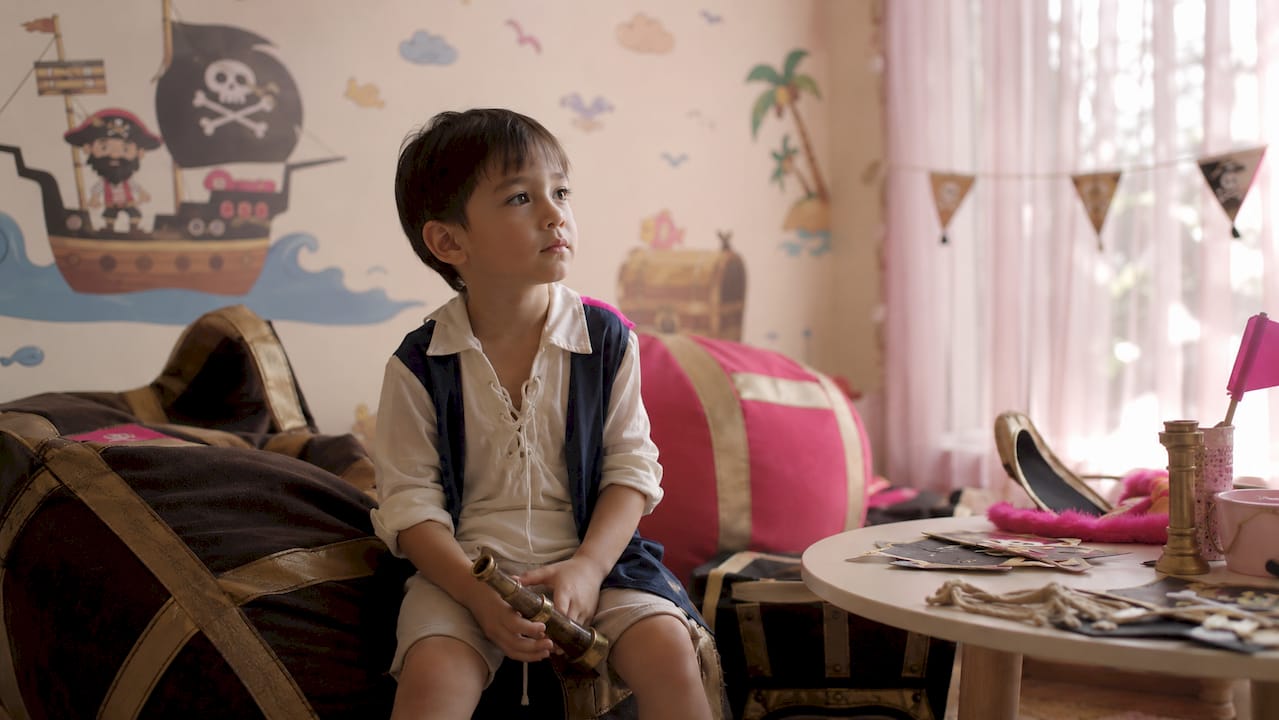
Think about what happens when a shy child walks into a party built around their favourite characters. The environment already feels familiar and safe. That familiarity lowers the social threshold for joining in. The child does not need to “warm up” because the room already speaks their language.
Themes also act as social icebreakers for guests who do not know each other well. Shared reference points, whether that is a favourite cartoon, a sport, or a character, give children an immediate conversation starter. The benefits of themed parties in this context are genuinely social, not just decorative.
Key social benefits of a well-matched theme include:
- Reduced anxiety for the birthday child in their own celebration
- Shared vocabulary that helps guests connect quickly
- A clear structure that reduces the chaos that overwhelms quieter children
- Activities that naturally encourage cooperation and teamwork
- A sense of belonging for every child who shares the interest
Themed parties give children ownership and comfort, which leads to lower anxiety and increased peer interaction. For parents of children who struggle socially, that outcome alone justifies the planning effort.
How to choose party themes that genuinely excite your child
The most effective themes come directly from the child’s current interests, not from trends or generic options. Party planner Jennifer Needham emphasises that personalised themes create considered experiences that children feel were designed specifically for them. The difference between a trend-driven theme and a genuine-interest theme is the difference between a party a child attends and a party a child owns.
Age shapes theme selection as much as interest does. Simple sensory themes work best for ages 2-3, with short activity bursts rather than complex narratives. Toddlers do not need a storyline. They need colour, texture, and movement. Older children, particularly those aged 7 and above, expect themes that align with their peer culture and growing sense of identity.
Follow these steps to land on the right theme:
- Listen to the child for two weeks before planning. Note every character, game, or activity they mention unprompted. The theme is already in those conversations.
- Check whether the theme supports active play. If you cannot think of three hands-on activities within the theme, it may be too abstract for a children’s party.
- Match complexity to age. Ages 3-5 need 90-minute parties with simple sensory activities. Ages 6-10 can sustain 2-3 hours with more structured challenges.
- Use the theme as a planning lens. A strong theme ties invitations, cake, activities, and atmosphere into one coherent story. Every decision becomes easier when you ask “does this fit the theme?”
- Avoid themes the child has outgrown. A child who loved a character at age four may feel embarrassed by that same character at age seven. Check in close to the party date.
| Age group | Theme approach | Activity style |
|---|---|---|
| Ages 2-3 | Simple sensory (colours, animals, water) | Short 5-10 minute bursts, tactile play |
| Ages 4-5 | Character-based, familiar stories | Guided games, dress-up, simple crafts |
| Ages 6-8 | Interest-led (sport, science, adventure) | Team challenges, creative tasks, missions |
| Ages 9-11 | Peer-culture aligned, identity-driven | Competitive games, skill-based activities |
For parents planning a kids’ party in Melbourne, the practical guide above works as a reliable starting framework regardless of venue or budget.
Key takeaways
Themed parties excite children because they combine novelty, emotional ownership, and active participation into a single experience that the child’s brain encodes as genuinely memorable.
| Point | Details |
|---|---|
| Emotion beats decoration | Children remember how they felt and what they did, not how the room looked. |
| Activity drives excitement | 34% of parents say more activities improve parties; only 23% prioritise decorations. |
| Personalisation reduces anxiety | Themes matched to a child’s interests lower social anxiety and increase peer interaction. |
| Age shapes theme complexity | Toddlers need simple sensory themes; older children need interest-led, peer-relevant experiences. |
| Theme as planning tool | A strong theme ties every party element together, making decisions faster and the event more cohesive. |
Themes matter more than most parents realise
I have been around children’s parties long enough to spot the pattern that trips up well-meaning parents every time. They spend the most money and energy on the things children notice least. The custom backdrop, the matching serviettes, the elaborate centrepiece. None of it registers the way a good activity does.
The parties children talk about for years are the ones where something happened. Where they got to do something they had never done before, inside a world that felt built just for them. That is not about budget. I have seen low-cost construction-themed parties with foam blocks and hard hats produce more genuine joy than expensive catered events with professional photographers.
The other mistake I see regularly is choosing a theme based on what is trending rather than what the child is actually into right now. A child who is obsessed with a specific character will light up when that character appears at their party. A child handed a generic “popular” theme will be politely enthusiastic at best.
My honest advice: spend less time on Pinterest and more time listening to your child in the fortnight before you start planning. The theme is already there. You just need to hear it. And once you have it, build every activity, every game, and every moment around that one idea. The right theme for your child’s age is not the most elaborate one. It is the most relevant one.
- Lauren
Dreamscape’s themed entertainment for Melbourne kids
Dreamscape has delivered professional themed party entertainment across Melbourne for over 25 years, and the approach is built around exactly what the research supports: active, interest-led experiences that children genuinely remember.
Every Dreamscape entertainer arrives with a theme tailored to the child’s actual interests, whether that is princesses, superheroes, Blippi-style adventures, or K-Pop demon hunters. The focus is always on interactive play, not passive performance. All entertainers hold Working With Children Checks, and over 1,900 five-star reviews reflect what happens when professional entertainment meets genuine child engagement. Browse the full range of party characters and themes to find the right fit for your child’s next celebration.
FAQ
Why do party themes excite kids more than generic parties?
Themes create a personalised, immersive environment that matches a child’s interests, triggering stronger emotional memory and higher engagement. Children feel ownership over a themed celebration in a way that a generic party cannot replicate.
What do children actually remember from their birthday parties?
Children under 10 remember emotional and physical experiences far more than visual details like decorations. Activities they participated in, surprises they encountered, and moments where they felt like the hero of the story are what stick.
How do I choose the right theme for my child’s age?
Children aged 2-3 need simple sensory themes with short activity bursts, while children aged 6-10 respond best to interest-led themes with structured challenges lasting 2-3 hours. Match complexity to developmental stage, not just personal interest.
Do themed parties help shy or anxious children?
A theme matched to a child’s genuine interests lowers social anxiety by making the environment feel familiar and safe. Shared reference points within the theme also give guests an immediate way to connect, which helps quieter children join in more naturally.
How does a theme simplify party planning for parents?
A strong theme acts as a decision lens. Every choice, from invitations to cake to activities, is filtered through one coherent idea. That structure reduces decision fatigue and produces a more cohesive, satisfying event for both children and parents.
Recommended
Planning a Melbourne party?
We will get right back to you.