

Discover why bespoke parties beat generic ones for kids. Tailored experiences create lasting memories and meaningful engagement for your child.
Why bespoke parties beat generic ones for kids
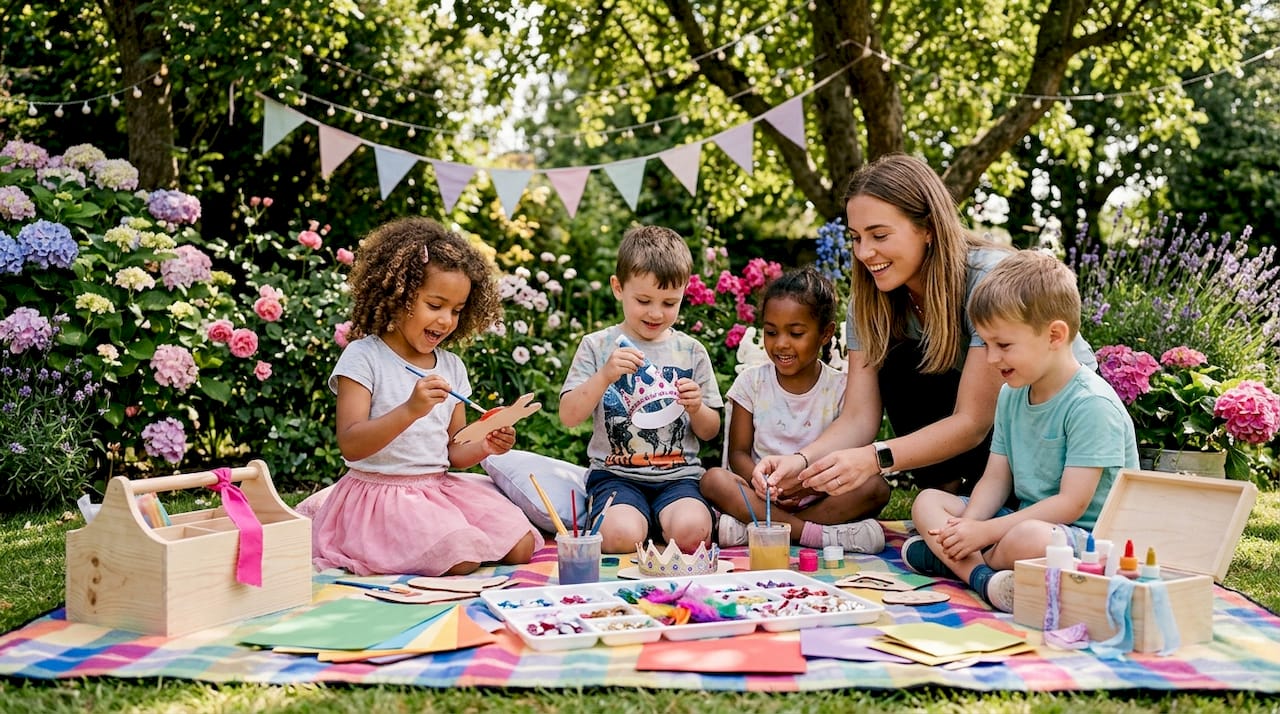
Bespoke parties are defined as fully personalised, themed celebrations where every element, from the activities to the facilitation style, is tailored to the birthday child. They beat generic options because they deliver what a standard play centre or off-the-shelf package cannot: a meaningful, memorable experience built around one specific child. Research confirms that creative, structured activities produce measurable social-emotional learning gains, making bespoke celebrations far more than just a fun afternoon. For parents and event planners, understanding why bespoke parties beat generic ones is the first step toward choosing an experience that children will talk about for years.
Why bespoke parties beat generic ones: creative engagement that lasts
The clearest difference between a bespoke party and a generic one shows up in what children actually do for 90 minutes. Generic play centres fill time with high-volume, low-engagement activities: jumping, running, and queuing. Bespoke parties replace that with guided creative sessions where every child completes a project and takes it home.
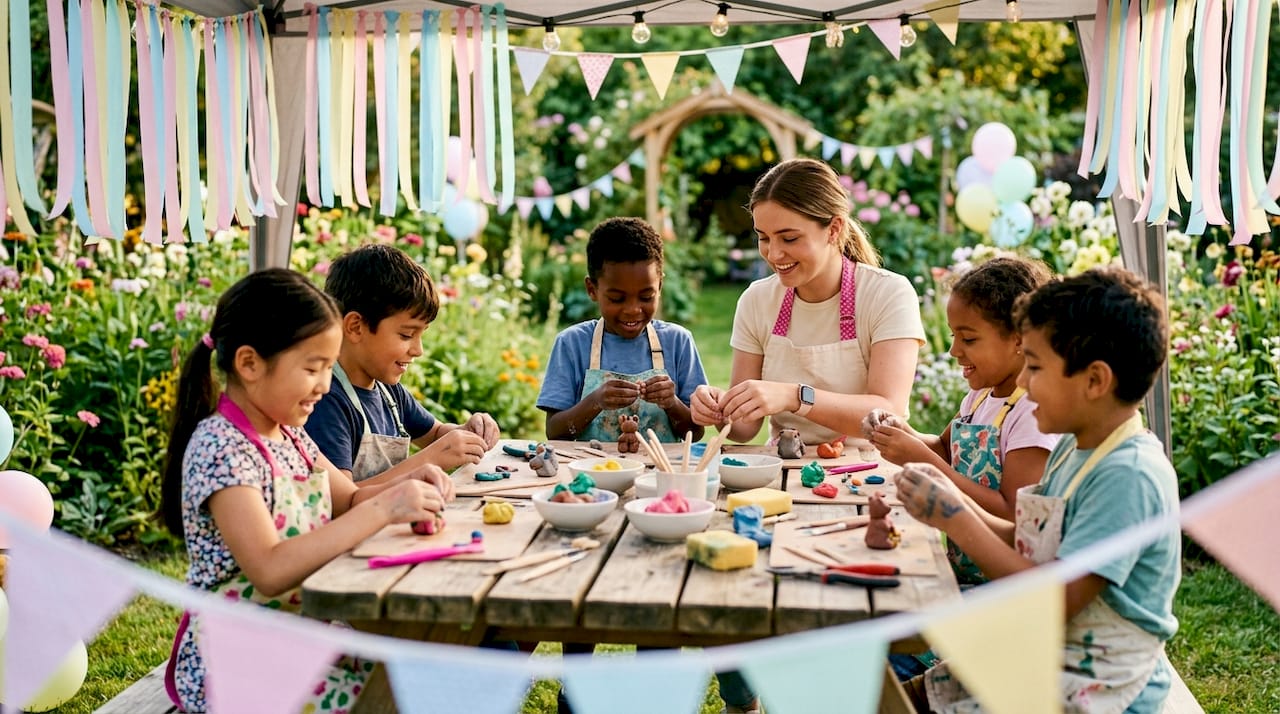
Structured creative sessions at boutique providers typically run for 90 minutes with trained facilitators leading the group through a clear sequence: opening, demonstration, hands-on creative work, and a celebration close. That structure matters. Children who know what comes next feel calmer and stay engaged longer.
The session structure also adapts to age. Facilitators use age-appropriate techniques to vary complexity, so a five-year-old and a nine-year-old can work side by side without either feeling bored or lost. That flexibility is something a generic party format simply cannot offer.
The physical takeaway is another point of difference. Parents report that children ask to display their artwork after the party rather than tossing it aside like a standard party bag. A completed project creates pride. Pride creates a stronger memory of the event.
- Children finish the session with something tangible they made themselves
- The creative process builds focus and patience over the full 90 minutes
- Themed artwork connects the activity to the party’s story, reinforcing the experience
- Facilitators guide without taking over, so children own the outcome
Pro Tip: When booking a bespoke party, ask the provider whether every child completes their own project or whether it is a group activity. Individual completion is what drives the pride and memory recall that makes the event stick.
What does social-emotional learning have to do with kids’ parties?
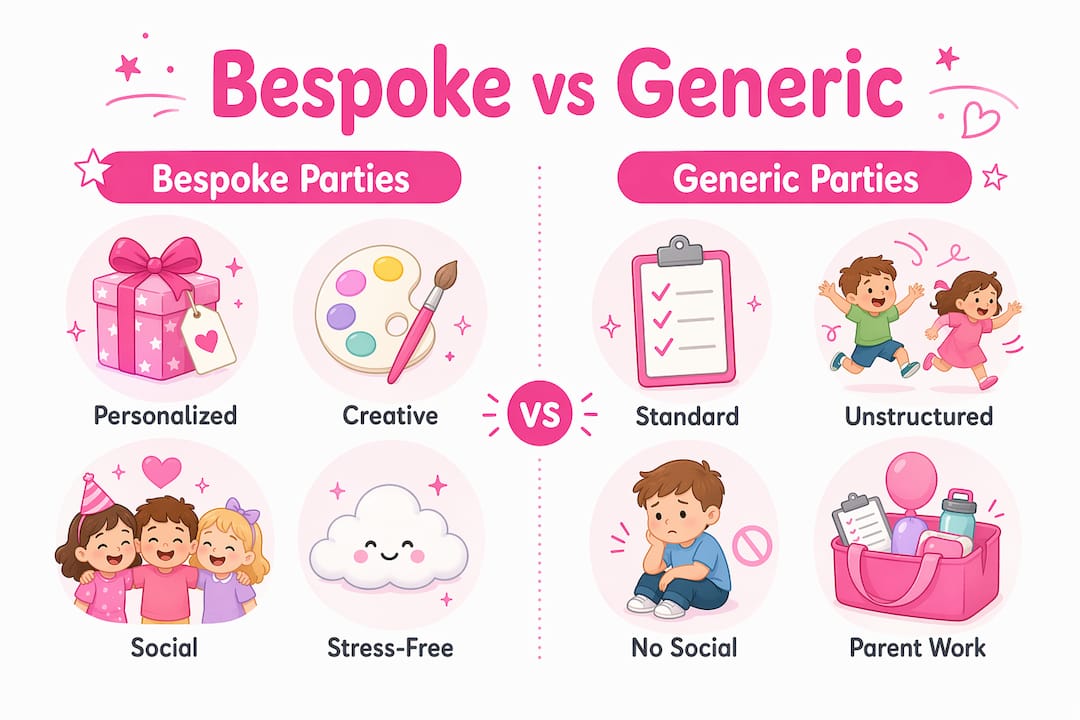
The short answer is: everything. Bespoke parties function as vital developmental infrastructure for children, helping them practise emotional regulation, empathy, and communication in a low-stakes, joyful setting.
University of South Australia research rates arts-based education programs at 5 out of 5 for social-emotional learning impact. That is the highest possible rating. It means that well-designed arts activities, the kind that sit at the heart of bespoke parties, are among the most effective tools available for building children’s social skills.
Arts-based programs that integrate storytelling, play, and guided creative work produce top-rated outcomes for communication, confidence, empathy, and emotional regulation in children. The Song Room’s Kaleidoscope program, which uses teaching artists and therapists to address self-regulation, is one of the highest-rated examples of this approach in Australia.
Generic parties do not create these conditions. A high-energy play centre rewards speed and volume. A bespoke celebration rewards creativity, patience, and collaboration. Those are very different lessons.
The social dynamics inside a bespoke party also matter. Children work near each other, share materials, take turns during demonstrations, and celebrate each other’s finished work. Each of those moments is a practised social skill. Parents and event planners who understand the science behind themed parties recognise that the theme itself amplifies engagement, making children more willing to participate and connect.
Bespoke celebrations also give quieter children a way in. Creative tasks provide a natural focus point, so a shy child does not need to perform or compete. They can contribute through their work, which builds confidence over time.
How do bespoke parties handle different child personalities?
Child temperament is the factor most parents forget to plan for. A loud, energetic child thrives in almost any setting. A quieter, more sensitive child can shut down at a noisy, crowded generic party before the cake is even cut.
Bespoke boutique settings are designed for 6-30 guests with packages matched to child temperament and party style. Smaller guest lists mean more personal attention and less sensory overload. That is a structural advantage that a large generic venue cannot replicate.
The facilitation model used in bespoke parties is what event specialists call “structured-flexible.” Facilitators adapt pace and group dynamics in real time, reading the room and adjusting without disrupting the flow. If a group is flagging, the facilitator shifts the energy. If two children are clashing, the facilitator redirects before it escalates.
- Facilitators monitor the group’s energy and adjust pacing throughout the session
- Quieter children are actively invited to participate without being put on the spot
- Social conflicts are managed early, before they affect the birthday child’s experience
- The session’s predictable structure reduces anxiety for children who struggle with transitions
Pro Tip: When choosing a bespoke party provider, ask how their facilitators handle a child who refuses to participate or becomes upset. A confident, specific answer signals genuine experience. A vague one signals a gap.
The choice of venue and format should reflect the birthday child’s personality, not just their favourite character. A quieter child benefits from a boutique setting with a smaller group and a calm creative focus. A highly social, energetic child may thrive with a larger group and a more performance-based theme. Getting this match right is what separates a good bespoke party from a great one.
Does bespoke party planning actually reduce stress for parents?
Yes, and the reduction is significant. The biggest source of party-day stress for parents is not the children. It is the logistics: setup, managing transitions, keeping children engaged, and cleaning up. Bespoke party providers handle all of it.
Skilled entertainers manage social dynamics and smooth transitions, reducing parental stress and freeing parents to be present rather than operational. That distinction matters. A parent who is running activities cannot also be watching their child’s face light up during the party.
- Setup, materials, facilitation, and pack-down are all handled by the provider
- A clear session structure prevents the energy drift that leads to chaos in the final 20 minutes
- Professional facilitators manage guest arrivals and seat children quickly, eliminating the anxious gap at the start
- Parents retain their social experience, talking with other adults rather than managing crowd control
Generic parties shift all of that work back to the parents. You book the venue, bring the entertainment, manage the children, and clean up. The cost difference between a generic and a bespoke party often disappears when you account for the time, materials, and energy parents spend filling the gap themselves.
Dreamscape’s entertainers, all of whom hold Working With Children Checks, bring this professional management to every event. Parents who use a kids party entertainment checklist before booking report feeling significantly more prepared and less anxious on the day.
Key takeaways
Bespoke parties beat generic ones because they combine personalised creative engagement, social-emotional learning, flexible facilitation, and full logistical support into a single, cohesive experience.
| Point | Details |
|---|---|
| Creative sessions build lasting memories | Children complete their own project in a 90-minute guided session, creating pride and stronger recall. |
| Arts activities develop social skills | University of South Australia research rates arts-based programs at 5/5 for social-emotional learning impact. |
| Facilitation adapts to temperament | Structured-flexible facilitation adjusts pace and manages group dynamics in real time for every child. |
| Smaller settings suit quieter children | Boutique venues designed for 6-30 guests provide personal attention that large generic venues cannot match. |
| Parents gain genuine peace of mind | Professional facilitators handle setup, transitions, and pack-down, freeing parents to enjoy the celebration. |
Why I stopped recommending generic parties years ago
Lauren’s perspective
The conventional wisdom used to be that generic parties were the “safe” choice. Book a play centre, let the children run, done. What I have seen over years of watching families plan celebrations is that “safe” often means forgettable.
Parents consistently underestimate how much a child’s personality shapes their party experience. A sensitive seven-year-old at a loud, chaotic play centre is not having fun. They are surviving. A bespoke party with a skilled facilitator gives that child a way to shine on their own terms.
The other misconception I hear constantly is that bespoke parties are complicated to organise. They are actually the opposite. When a professional team handles the structure, the materials, and the facilitation, the parent’s job shrinks to showing up. The complexity is invisible because someone else is managing it.
My practical advice: match the party format to the child, not the trend. If your child loves a specific character or creative activity, build the party around that. Use a resource like Dreamscape’s guide to choosing the right party theme to narrow down options before you book. The investment in a tailored experience pays back in a child who feels genuinely celebrated, not just entertained.
- Lauren
Dreamscape’s tailored party entertainment for Melbourne families
Dreamscape has delivered personalised kids’ party entertainment across Melbourne for over 25 years, with more than 1,900 five-star reviews from families who wanted something more than a generic afternoon.
Every Dreamscape entertainer holds a Working With Children Check and brings a fully managed, themed experience to your venue. From princesses and superheroes to K-Pop demon hunters, the character range is wide enough to match almost any child’s passion. The team handles the full session, from arrival through to pack-down, so parents can focus on their child rather than the clock. Explore Dreamscape’s bespoke party entertainment options and find the theme and format that fits your child’s personality and your family’s needs.
FAQ
What is a bespoke party for children?
A bespoke party is a fully personalised celebration where the theme, activities, and facilitation are tailored to the individual child. Every element is chosen to match the birthday child’s interests, personality, and age group.
How long do bespoke creative party sessions typically run?
Structured creative sessions at bespoke providers typically run for 90 minutes, with a trained facilitator guiding children through an opening, demonstration, hands-on activity, and celebration close.
Are bespoke parties worth the cost compared to generic options?
Bespoke parties deliver social-emotional learning benefits, personalised facilitation, and full logistical support that generic venues do not provide. When parents factor in the time and materials they would spend filling the gap at a generic party, the cost difference often narrows considerably.
How do bespoke parties support shy or sensitive children?
Bespoke parties use structured-flexible facilitation that actively includes quieter children without putting them on the spot. Creative tasks give shy children a natural focus point, allowing them to contribute and build confidence through their work rather than through performance.
What should parents ask when booking a bespoke party?
Ask whether every child completes their own project, how the facilitator handles upset or reluctant children, and what is included in setup and pack-down. Specific, confident answers to those questions indicate genuine experience and professional facilitation.
Recommended
Planning a Melbourne party?
We will get right back to you.