

Discover the best themed party decoration and entertainment combos for 2026. Create unforgettable, immersive experiences for children's parties!
Themed party decoration and entertainment combos: 2026 guide
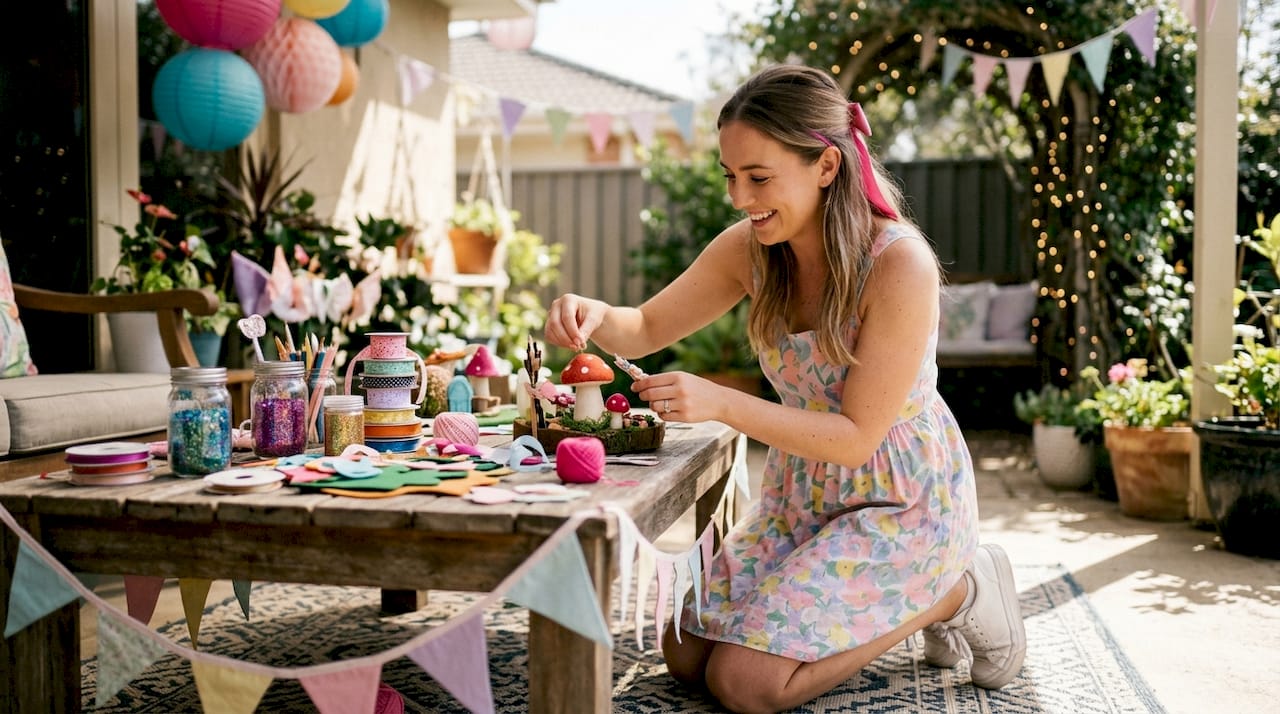
Themed party decoration and entertainment combos are curated sets of décor, activities, and live entertainment designed to create a fully immersive children’s party experience. The most effective combos match the visual theme directly to the entertainment format, so every element reinforces the child’s chosen world. Micro-parties of 6-8 guests are the fastest growing party format in 2026, replacing the traditional 15-20 guest model. That shift means tighter budgets, more focused themes, and higher expectations for every single activity. Dreamscape has delivered tailored themed party entertainment across Melbourne for over 25 years, and the pattern is consistent: the parties children remember are the ones where décor and entertainment tell the same story.
1. What are the best themed party decoration and entertainment combos?
The strongest combos pair a clear visual identity with entertainment that physically involves children in the theme. Generic décor with unrelated entertainment creates a disconnect that kids feel immediately, even if they cannot articulate it.
Fairy garden with craft stations
Soft florals, mushroom centrepieces, and pastel bunting set the scene. A fairy party entertainer leads wand-making or flower crown crafting, keeping children active inside the theme rather than just observing it. This combo suits ages 3-6 particularly well.
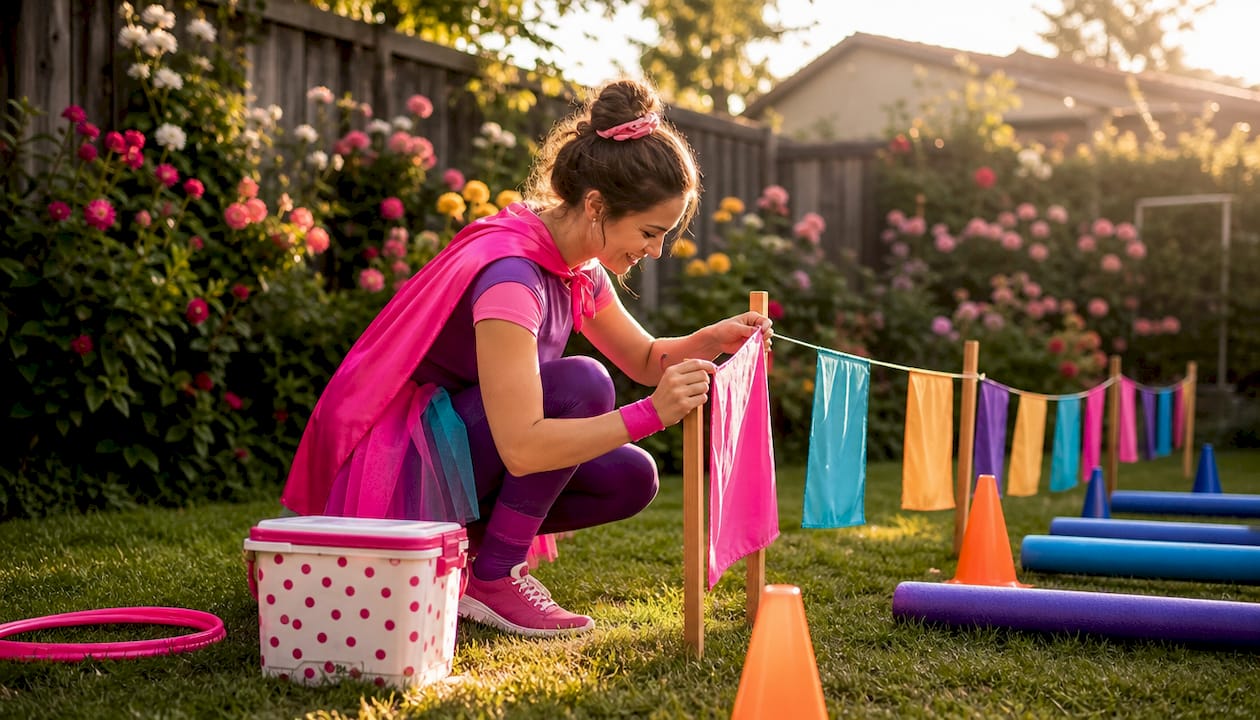
Superhero obstacle course
Bold primary colours, comic-book-style banners, and capes at the door. A superhero entertainer runs training missions and a mini obstacle course, turning the party space into a hero academy. School-age children aged 5-9 respond strongly to the physical challenge format.
Science lab party
Test tubes filled with coloured water, periodic table bunting, and lab coat dress-ups. Activity stations rotate through slime-making, volcano experiments, and a “potion” mixing bar. This combo suits ages 6-10 and aligns with the multi-station rotation format that replaces single-feature entertainment like bouncy castles in 2026.
Cottagecore picnic with animal encounters
Wicker baskets, wildflower arrangements, and gingham tablecloths outdoors. A visiting animal handler brings rabbits, guinea pigs, or lizards for supervised interaction. Toddlers and preschoolers thrive with sensory-rich, low-stimulation formats like this one.
K-Pop and pop star stage
Glitter backdrops, neon signage, and a DIY photo booth with props. A professional entertainer leads a dance workshop and lip-sync battle. This combo works brilliantly for ages 7-12 and generates high energy in a short time window.
Magician mystery party
Dark velvet tablecloths, playing card garlands, and top-hat centrepieces. A magician entertainer performs close-up magic and teaches children a simple trick to take home. The interactive teaching element keeps attention spans locked in for the full performance.
Dinosaur dig and discovery
Earthy tones, fossil prints, and jungle greenery as décor. Children excavate “fossils” from sand trays and build their own dinosaur skeletons from craft kits. This combo suits ages 4-8 and works equally well indoors or outdoors.
Pro Tip: Choose the theme based on what the child talks about daily, not what looks best on social media. Experts confirm that child-centred theme selection produces more genuinely memorable events than chasing Pinterest-perfect trends.
2. How to plan party duration and activity flow for maximum fun
Party length is the single most underestimated planning variable. Get it wrong and children either melt down from exhaustion or lose interest before the cake arrives.
Toddlers thrive in 60-90 minute parties, while school-age children manage two hours comfortably. That gap matters because it changes how many activity stations you can run and when you serve food.
A practical flow for a 90-minute party looks like this:
- Arrival and free play (0-15 minutes). Children settle in, explore the décor, and connect with friends before structured activity begins.
- Main entertainment activity (15-45 minutes). The entertainer or activity station runs at peak energy. This is the centrepiece of the combo.
- Cake and food (45-65 minutes). Serving cake between 60-75 minutes captures peak engagement before energy drops. Do not leave it to the end.
- Second activity or free play (65-80 minutes). A lighter craft or free play session winds energy down gradually.
- Farewell and party bags (80-90 minutes). A clean exit prevents the chaotic lingering that exhausts both children and parents.
For two-hour parties with older children, 2-3 highly engaging activities interspersed with free play outperform a packed schedule of six shorter ones. Children need breathing room to process excitement, not a relentless programme of structured tasks.
Pro Tip: Read the 90-minute party breakdown to see exactly how professional entertainers pace activity flow to keep children engaged without overstimulation.
3. How to select themed party decorations that suit your budget
Decoration planning starts with a budget range, not a mood board. The sweet spot for a well-decorated children’s party in Australia sits between $200 and $400 for supplies, depending on guest count and theme complexity.
The single most effective cost strategy is buying early. Bulk-buying party supplies 3-6 months in advance yields savings of up to 70%, with discounts of 60-80% available on non-perishable items. That means a $400 decoration budget can deliver what would otherwise cost over $1,000 at retail.
Practical decoration strategies that stretch your budget:
- Anchor pieces vs. filler pieces. Spend on two or three hero items (a balloon arch, a themed backdrop, or a centrepiece) and fill the rest with low-cost printables and solid-colour tableware.
- Reusable décor. Fabric bunting, wooden signs, and potted plants survive multiple parties and reduce waste. Sustainable décor is both cost-effective and increasingly expected by Melbourne families.
- DIY station doubles as décor. A craft table set up with themed supplies serves as both entertainment and visual decoration. A fairy garden craft station, for example, is also a beautiful table display before children use it.
- Allergy-aware food presentation. Clearly labelled food stations with colour-coded tags for nut-free, dairy-free, and gluten-free items look intentional and professional. Food presentation is part of the overall decoration scheme, not an afterthought.
- Colour palette discipline. Limiting the palette to two or three colours makes even budget decorations look cohesive. A science party in black, white, and neon green reads as deliberate rather than assembled from whatever was on sale.
4. What are the key considerations for outdoor vs indoor themed party combos?
Outdoor and indoor venues each create different entertainment opportunities and planning challenges. The venue choice shapes which themed party combos are even possible.
Outdoor venues like parks and backyards offer natural space for physical entertainment formats: obstacle courses, animal encounters, and nature-based crafts. The outdoor setting itself becomes part of the theme. A dinosaur dig in a garden feels authentic in a way that the same activity in a living room simply does not.
The practical realities of outdoor parties require specific planning:
- Arrive early. Experienced planners send a helper 60 minutes early to claim shaded, playground-adjacent spots at popular parks. The best locations go quickly on weekend mornings.
- Shade is non-negotiable. Queensland and Victorian health guidelines both recommend morning or afternoon time windows for outdoor children’s events to avoid peak heat. A shaded venue is a safety requirement, not a preference.
- Food timing is a legal consideration. Australian food safety rules require perishables to be consumed within two hours outside refrigeration and discarded after four hours. Plan your food service timeline around this rule, especially for allergy-aware menus.
- Natural landmarks as entertainment. A creek, a hill, or a large tree can anchor a themed activity without any additional equipment. A fairy garden party in a park with existing garden beds needs almost no additional décor to feel immersive.
Indoor venues offer weather certainty and easier decoration setup. They suit themes that rely on controlled lighting, like a magician mystery party or a K-Pop stage setup. The trade-off is space: indoor parties require tighter activity station planning to avoid crowding.
Pro Tip: Check the best time of day for a kids’ party before locking in your outdoor venue booking. Morning slots between 10AM and 12PM consistently outperform afternoon sessions for energy management and safety.
Key takeaways
The most memorable children’s parties combine a child-centred theme with entertainment and décor that tell the same story from arrival to farewell.
| Point | Details |
|---|---|
| Match décor to entertainment | Every visual element should reinforce the theme the entertainer is delivering. |
| Right length for the right age | Toddlers need 60-90 minutes; school-age children manage two hours comfortably. |
| Buy supplies early | Purchasing 3-6 months ahead cuts decoration costs by up to 70%. |
| Child-centred theme selection | Themes based on the child’s real interests outperform generic trend-driven setups. |
| Outdoor parties need early arrival | Send a helper 60 minutes early to secure shaded, playground-adjacent spots. |
What I’ve learned from watching hundreds of kids’ parties go right and wrong
The parents who stress most about children’s parties are almost always the ones who planned the party for the Instagram photo, not for the child. I have watched beautifully decorated events fall flat because the entertainment had nothing to do with the theme, and I have watched a simple backyard setup with a skilled entertainer produce genuine, lasting joy.
The most common mistake is overprogramming. Parents book an entertainer, set up five activity stations, organise a treasure hunt, and then wonder why children are melting down by the 45-minute mark. Effective kids’ parties focus on energy, structure, and engagement, not on quantity of activities. Two activities done brilliantly beat six done adequately every time.
The second mistake is chasing trends over the child’s actual interests. A child who is obsessed with frogs does not want a generic princess party because it photographs better. Themes grounded in the child’s real passions create the moments children talk about for years. A frog-themed party with a nature explorer entertainer and a pond-dipping activity station is genuinely original and genuinely memorable.
Simplicity is not a budget compromise. It is often the better creative choice. One strong themed combo, executed well, with a professional entertainer who knows how to read a room, will always outperform an elaborate setup that nobody is managing properly.
- Lauren
Dreamscape makes themed party planning straightforward
Planning a children’s party that holds together from decoration to entertainment is genuinely difficult without the right support. Dreamscape has spent over 25 years helping Melbourne families build themed kids’ party experiences that work in the real world, not just on a planning spreadsheet.
Dreamscape’s professional entertainers cover fairy, superhero, magician, and character themes, and each performer arrives ready to integrate with your decoration setup rather than work around it. Every entertainer holds a Working With Children Check, and the team’s transparent pricing means you know exactly what you are getting before you book. With over 1,900 five-star reviews from Melbourne families, Dreamscape takes the pressure off parents and puts the focus back on the child. View Dreamscape’s party packages to find the right combo for your next celebration.
FAQ
What is a themed party decoration and entertainment combo?
A themed party decoration and entertainment combo is a coordinated set of décor, activities, and live entertainment that all reinforce a single party theme. The goal is full immersion, so children feel inside the theme rather than just surrounded by it.
How long should a kids’ themed party run?
Toddlers thrive in 60-90 minute parties, while school-age children manage two hours comfortably. Serving cake between 60-75 minutes captures peak engagement before energy drops.
What is the best way to save money on party decorations?
Buying non-perishable supplies 3-6 months in advance reduces costs by up to 70%. Combining two or three hero decoration pieces with low-cost printables and solid-colour tableware creates a cohesive look on a modest budget.
How do I choose the right theme for my child’s party?
Base the theme on what the child talks about and plays with daily, not on current trends. Themes grounded in the child’s real interests consistently produce more memorable celebrations than generic or trend-driven setups.
What should I know about food safety at outdoor kids’ parties?
Australian food safety guidelines require perishables to be consumed within two hours outside refrigeration and discarded after four hours. Plan food service timing carefully, particularly for allergy-aware menus at outdoor events.
Recommended
Planning a Melbourne party?
We will get right back to you.